Acid reflux is a common issue affecting millions. Research indicates that nearly 20% of adults in the U.S. experience symptoms weekly. Effective management is vital. One method gaining traction is using a wedge pillow. Industry expert Dr. Julia Marks emphasizes, "Elevating the upper body can significantly reduce acid reflux symptoms."
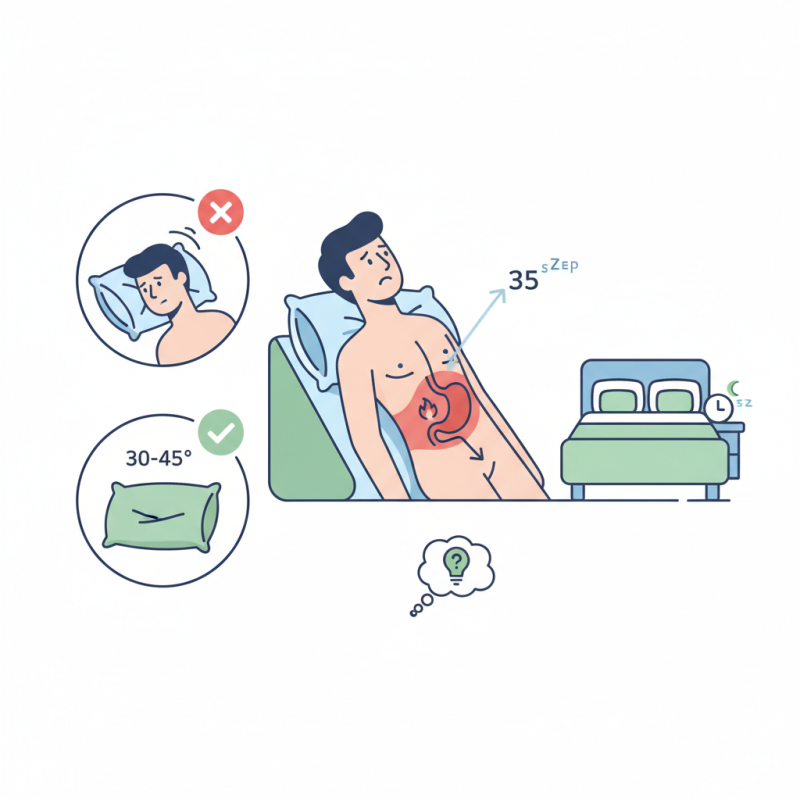
How to use a wedge pillow for acid reflux involves more than just propping up your head. The ideal angle is between 30 to 45 degrees. This elevation helps gravity keep gastric acid in the stomach. However, not all pillows are suitable. Choosing a wedge with firm support is crucial for comfort and effectiveness.
Many people overlook the value of proper pillow choice. Some may find that a steep angle causes discomfort. Learning how to adjust the setup can make a significant difference. Experimentation is key. Seek out a wedge pillow that fits your needs. Understanding how to incorporate this tool may lead to better nights and improved health.
Acid reflux, often called gastroesophageal reflux disease (GERD), can be uncomfortable. This condition occurs when stomach acid flows back into the esophagus, leading to symptoms like heartburn, regurgitation, and difficulty swallowing. Many people experience these symptoms after eating or lying down. Recognizing the signs early can help in managing discomfort.
Nighttime symptoms can be particularly troublesome. Lying flat may worsen acid reflux, causing sleep disturbances. A wedge pillow can help elevate the upper body, reducing the risk of acid traveling back up. However, not everyone experiences full relief. Some individuals may find that elevation alone is insufficient.
Listening to your body is crucial. If symptoms persist, seeking professional guidance is advised. Lifestyle changes often play a significant role. Dietary adjustments, weight management, and avoiding trigger foods can be beneficial. Even minor tweaks in habits can lead to improvements. Remember, what works for one person may not work for another, so keep experimenting to find what eases your discomfort.
Elevating the upper body can significantly alleviate acid reflux symptoms. Research indicates that sleeping on an incline can reduce nighttime symptoms by up to 70%. A wedge pillow helps to create the necessary elevation, allowing gravity to prevent stomach acids from rising into the esophagus. This positioning supports the natural alignment of the spine while promoting better digestion during sleep.
Tips: When choosing a wedge pillow, consider factors like firmness and height. A 30-degree incline is generally recommended for optimal relief. It's essential to maintain a comfortable position to encourage relaxation and sleep. Experiment with different pillow heights to find what works best for you.
Using a wedge pillow is a simple yet effective strategy. However, not every individual experiences the same level of relief. Some might find that they still wake up with symptoms. Keeping a diary of sleep patterns and symptoms may help identify triggers. Combining elevation with lifestyle adjustments could further enhance the benefits. Diet plays a crucial role too; certain foods might exacerbate reflux. Always consult with a healthcare professional for tailored advice based on your unique situation.
| Aspect | Details |
|---|---|
| Pillow Height | Generally recommended to be at least 30 degrees elevated. |
| Material | Memory foam or orthopedic materials for better support. |
| Positioning | Should be placed under the upper half of the body only. |
| Usage Duration | Used during sleep and resting periods for maximum benefit. |
| Complementary Practices | Avoiding heavy meals, wearing loose-fitting clothing. |
| Maintenance | Regular cleaning according to the material guidelines. |
When selecting a wedge pillow for acid reflux relief, size and material are crucial factors. Research indicates that a height of 30 degrees is optimal for reducing symptoms. This elevation helps prevent stomach acid from flowing back into the esophagus. A pillow that measures 30 inches or longer caters to most body types, providing adequate support.
Material choice can impact comfort and effectiveness. Memory foam is a popular option, offering support that conforms to body shape. A study published in the Journal of Clinical Gastroenterology noted that memory foam can help reduce nighttime reflux significantly. Latex and gel-infused foam are also options, providing varying degrees of firmness and ventilation.
However, not all wedge pillows are created equal. Many individuals report discomfort with pillows that are too firm or too soft. Finding the right balance may involve trial and error. Some users suggest starting with a medium-firm option. It allows for initial comfort while still offering necessary support. Ultimately, personalized comfort is key to effective acid reflux management.
Using a wedge pillow effectively can significantly improve your experience with acid reflux. The key lies in the proper positioning techniques. Elevating the upper body is essential. A wedge pillow should ideally raise your head by about 30 degrees. This angle helps prevent stomach acids from flowing back into the esophagus.
When placing the wedge pillow, ensure it supports both your back and neck. A snug fit can enhance comfort. Positioning your body in a semi-reclined position can be beneficial. Experiment with the height and angle that feels best for you. A small adjustment might make a huge difference.
Remember that everyone's experience with acid reflux varies. What works for one person may not work for another. Pay attention to how your body reacts. Sometimes, it takes time to find the perfect angle for relief. Listening to your body’s signals is crucial. Don’t hesitate to make changes until you find what truly helps.
Using a wedge pillow can be effective for acid reflux relief, but combining this approach with lifestyle changes can enhance results. Simple adjustments to your daily routine may help manage symptoms better.
Tip 1: Maintain a healthy weight. Excess weight can increase pressure on your stomach. This pressure pushes acid up into the esophagus. Try incorporating regular physical activity to help shed those extra pounds.
Tip 2: Monitor your diet. Certain foods can trigger acid reflux. Spicy, fatty, or acidic foods are common culprits. Focus on leaning proteins, vegetables, and whole grains. Smaller, more frequent meals instead of large meals help too.
Evaluate your eating habits. Eating slowly can aid digestion. Chewing food thoroughly can lessen the workload on your stomach. Avoid eating at least three hours before bed. This gives your body time to digest before lying down, reducing the risk of acid rising.
Tip 3: Elevate your bed. In addition to a wedge pillow, consider raising the head of your bed. This trick allows gravity to assist in preventing acid reflux during the night. Use blocks under the bed legs or invest in adjustable bed frames.
: Acid reflux occurs when stomach acid flows back into the esophagus. This leads to symptoms like heartburn.
If symptoms persist, seek professional guidance. Listening to your body is important.
Elevate your upper body with a wedge pillow or adjust your bed. This may help reduce nighttime symptoms.
Lifestyle changes, like dietary adjustments, can reduce symptoms. Everyone's triggers may differ, so find what works for you.
Focus on lean proteins, vegetables, and whole grains. Avoid spicy and fatty foods, which can trigger symptoms.
Eat slowly and chew food thoroughly. This can aid digestion and lessen stomach workload.
Avoid eating at least three hours before bed. This allows time for digestion and can prevent acid rise.
Some may find elevation alone insufficient. Experiment with other lifestyle changes for additional relief.
If you're looking for effective ways to manage acid reflux symptoms, knowing how to use a wedge pillow for acid reflux can be incredibly beneficial. A wedge pillow elevates the upper body, which helps prevent stomach acid from flowing back into the esophagus. It's crucial to understand the symptoms of acid reflux and how elevation plays a significant role in alleviating discomfort.
When choosing the right wedge pillow, consider factors like size and material to ensure optimal support. Proper positioning is equally important; aligning your body correctly can enhance the pillow's effectiveness. Additionally, incorporating complementary lifestyle changes, such as dietary adjustments and a healthy sleep routine, can further improve acid reflux management. By combining these strategies, you can enjoy more restful sleep and relieve the discomfort associated with acid reflux.

Hee Living