Proper care of memory foam pillows is crucial for a fresh and healthy sleep environment. According to Dr. Emily Chen, a leading expert in sleep hygiene, "Maintaining pillows properly can significantly improve sleep quality." This emphasizes the importance of knowing how to wash memory foam pillows correctly.
Memory foam pillows are popular for their comfort and support. However, they can harbor dust mites and allergens. Regular cleaning is vital but tricky because improper washing can ruin the foam’s integrity. Many people may not realize that soaking or machine washing can lead to lumps and reduced support.
To ensure your pillows last longer while remaining fresh, it’s essential to follow specific care methods. Machine washing is often not recommended, but spot cleaning can be effective. Understanding how to wash memory foam pillows correctly involves knowing the safest cleaning agents and methods. This attention to detail will help maintain the pillow's shape and prolong its lifespan, ultimately enhancing your sleep quality.
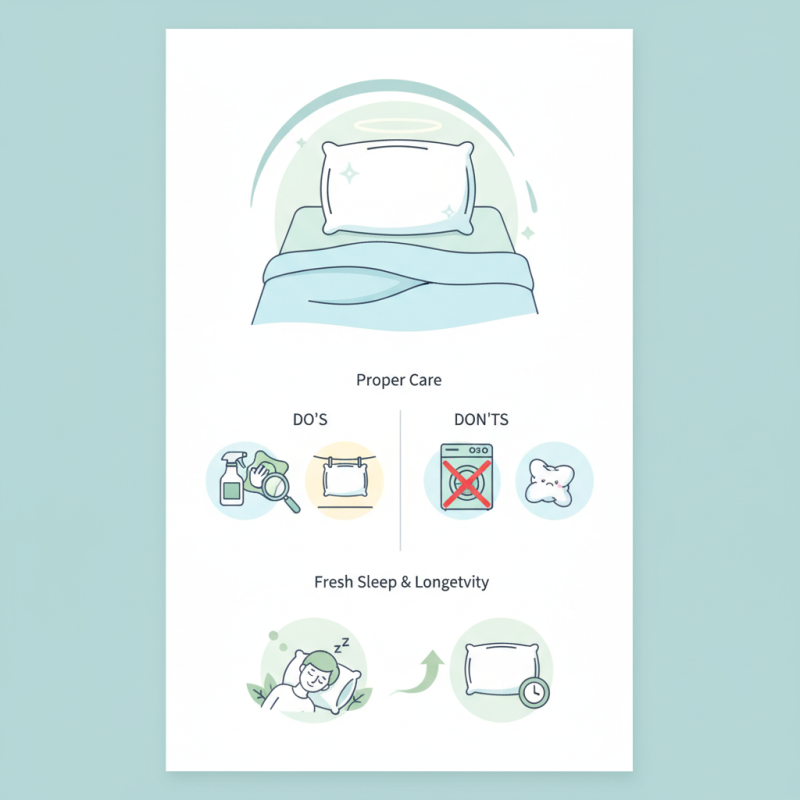
Choosing the Right Time to Wash Your Memory Foam Pillow
When it comes to washing memory foam pillows, timing is essential. Aim to wash your pillow every 3 to 6 months. This interval helps ensure your pillow remains fresh and clean. Built-up dust mites, allergens, and bacteria can affect your sleep quality. Think about it: if your pillow is harboring dirt, you may wake up feeling stuffy or itchy.
Tips: Check for stains or odors between washes. If you notice either, don't wait for the next scheduled wash. Spot clean these areas immediately to avoid further contamination. Use a mild detergent and cold water to keep the pillow's integrity intact.
Consider the season, too. Washing a memory foam pillow during a dry period can help it dry evenly. Avoid washing it just before a rainy week or during high humidity. Proper drying is crucial; otherwise, mold may develop. Even professional advice suggests avoiding heat sources when drying to maintain shape and structure.
Preparing Your Memory Foam Pillow for Washing
Before washing your memory foam pillow, it's essential to prepare it properly. Start by removing the pillowcase and any protective covers. Check for any visible stains or spots. Take a moment to inspect your pillow for wear and tear, as damaged areas may not hold up well during washing. This step is often overlooked, but it's crucial for maintaining your pillow's integrity.
Tips: If you spot stains, treat them with a mild detergent mixed with water. Use a soft cloth or sponge to dab at the stains. Don't scrub, as this can damage the memory foam. Let it air dry completely before washing.
When you're ready to wash, follow the care instructions specific to your pillow. Most memory foam pillows cannot be submerged in water. Instead, consider spot cleaning or using a machine on a gentle cycle. It's also a good idea to avoid high heat. Memory foam can become damaged if exposed to hot water or dry heat.
Tips: Always test any cleaning solution on a small area first. This prevents unwanted discoloration. After washing, let your pillow dry thoroughly. A damp pillow can lead to mold. Remember, taking these steps can enhance the longevity of your pillow.
Step-by-Step Instructions for Washing Memory Foam Pillows
Washing memory foam pillows can seem daunting. However, keeping them clean is essential for a fresh sleep. Here’s a step-by-step guide to help you keep your pillows in top shape.
Start by checking the care label. It often contains specific washing instructions. Remove any pillowcase or cover. Shake the pillow gently to dislodge dust and debris. Use a vacuum cleaner with an upholstery attachment for thorough cleaning. This helps prevent allergens from affecting your sleep.
Fill a tub or large sink with warm water. Add a small amount of gentle detergent. Submerge the pillow, gently squeezing it to allow the soapy water to penetrate. Avoid twisting or wringing the pillow, as this can damage the foam. After a few minutes, drain the soapy water, rinse thoroughly with clean water, and gently press to remove excess water.
Tips: Always air-dry memory foam pillows. Avoid direct sunlight or heat sources. These can degrade the material. You want it breathable, not stiff. It's wise to wash your pillows every few months. Regular cleaning helps maintain freshness.
Some users find stains stubborn, even after washing. Consider spot cleaning with a gentle solution first. This can save you from deep cleaning each time. Remember, your pillow should support you, not weigh you down with dirt.
Drying Techniques to Preserve Memory Foam Quality
Drying memory foam pillows requires special attention. Use gentle methods to maintain their shape and performance. After washing, avoid wringing the pillow. Instead, press it gently to eliminate excess water.
Air drying is the best option for memory foam. Place the pillow in a well-ventilated area, away from direct sunlight. This prevents the foam from degrading. Flipping the pillow occasionally helps it dry evenly. Make sure the space is dry, too. High humidity can lead to mold.
Some might use a dryer, but this is risky for foam. If you choose this method, use a low heat setting. Add dryer balls to help distribute air. Monitor the process closely to avoid damage.
A little caution goes a long way in preserving quality. Each drying choice has its pros and cons. Always reflect on what works best for your pillow’s condition.
Maintaining Freshness and Longevity of Your Memory Foam Pillow
Memory foam pillows are popular for their comfort and support. However, they can harbor dust mites, allergens, and odors. Proper washing techniques can help maintain their freshness and longevity. A clean pillow contributes significantly to a healthier sleep environment.
Start by checking the care label. Memory foam should not be fully submerged in water. Instead, use a gentle approach. Spot clean any stains with a mild detergent and a damp cloth. This minimizes water exposure, which can damage the foam structure. For deeper cleaning, consider using a vacuum with an upholstery attachment. Regular vacuuming removes dust and keeps the pillow fresh.
Washing pillow covers is equally important. Use warm water and mild detergent. Air drying is essential, as heat can deform the foam. For freshness, sprinkle baking soda on the pillow, let it sit, then vacuum it off. This helps eliminate odors. Ultimately, care and maintenance of memory foam pillows require attention to detail, ensuring a clean and comfortable sleep surface.
Memory Foam Pillow Washing Frequency and Effectiveness
FAQS
: Aim to wash your pillow every 3 to 6 months for freshness.
Spot clean immediately with mild detergent and cold water.
Wash your pillow during dry periods to ensure it dries evenly.
No, most memory foam pillows should not be submerged in water.
Remove the pillowcase, inspect for stains, and check for wear before washing.
Use a mild detergent mixed with water on a soft cloth to dab stains.
No, avoid high heat as it can damage the memory foam.
A damp pillow can develop mold, affecting its integrity.
Follow care instructions and avoid scrubbing the foam.
Testing prevents unwanted discoloration and maintains your pillow's appearance.
Conclusion
In the quest for restful sleep, understanding how to wash memory foam pillows correctly is crucial for maintaining their quality and extending their lifespan. The process begins with choosing the right time to wash, typically every six months or when you notice odors. Preparing your pillow involves removing any covers and spot cleaning stains beforehand.
When washing memory foam pillows, it is important to follow step-by-step instructions that ensure they are not damaged. Gentle hand washing is often recommended, using mild detergents and lukewarm water. Once clean, drying techniques play a vital role; air drying is ideal to prevent degradation of the foam. Furthermore, maintaining freshness and longevity can include regular airing out and using protective covers. By following these guidelines, you can enjoy clean and supportive pillows, enhancing your overall sleep experience.

 Hee Living