Why Use a Lumbar Support Pillow for Your Office Chair?

Time:2026-06-01 Author:Mason
0%

In a world where many of us spend hours sitting at office desks, comfort often takes a backseat. This neglect can lead to serious discomfort and long-term health issues. You might be wondering, "Why should I use a lumbar support pillow in my office chair?" The simple answer is that these pillows provide essential support for your lower back. They are designed to maintain the natural curve of your spine, which can help alleviate pain.

Many office workers report feeling better after using lumbar pillows. These products are crafted with materials that contour to your body, providing targeted relief. However, not all lumbar support solutions are created equal. Some may not fit well with your chair or may feel uncomfortable after extended use. It’s crucial to find one that works for your specific needs.

Using a lumbar support pillow is more than just a trend; it’s a step toward maintaining a healthier workspace. It can enhance your productivity by reducing discomfort, making your work hours more bearable. Investing in your comfort is investing in your well-being. The choice you make today can lead to significant improvements in your day-to-day life.
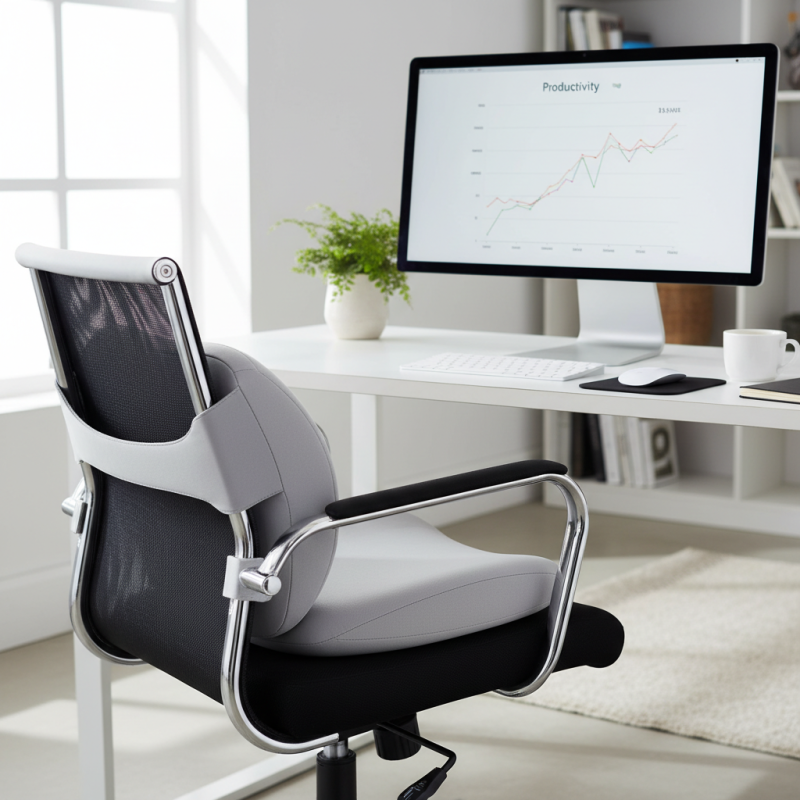
Why Use a Lumbar Support Pillow for Your Office Chair?

Benefits of Using a Lumbar Support Pillow in Office Chairs

A lumbar support pillow is essential for office chairs. It helps maintain the natural curve of the spine. Sitting for long hours can lead to back pain. A well-designed pillow can alleviate this issue. It focuses on the lower back, where most discomfort occurs. Support here is crucial for long-term health.

Consider the adjustable nature of these pillows. You can change positions easily to find what feels right. Find a pillow that fits your body shape. Not all pillows are created equal. A good fit can make a noticeable difference.

Tips: Take breaks every hour. Stretch your back and walk around. This can reduce stiffness. Also, check the height of your chair. Your feet should touch the floor comfortably. Adjust the pillow as needed. These small changes can enhance your comfort significantly.

Benefits of Using a Lumbar Support Pillow in Office Chairs

How a Lumbar Support Pillow Improves Posture at Work

Sitting for long hours can take a toll on our bodies. Many people slouch or lean forward in their chairs. This often leads to poor posture and discomfort. A lumbar support pillow can address these issues effectively. It provides targeted support to the lower back, encouraging a proper spinal alignment.

By maintaining the natural curve of the spine, a lumbar pillow can improve posture over time. This is particularly important during work hours when focus on tasks can lead to neglecting body position. Regular use of a lumbar support pillow may reduce back pain and enhance overall well-being. It's not just about comfort; it's about creating a healthier workspace.

However, using a lumbar pillow is not a one-size-fits-all solution. Some individuals may find the support too firm, while others might not feel enough relief. It’s essential to choose a pillow that fits well with your chair and matches your body type. Experimenting with various options can help you find the right balance. Listening to your body’s feedback is key to improving your posture and enhancing your work experience.

Key Features to Look for in a Lumbar Support Pillow

When searching for a lumbar support pillow, several key features are essential to enhance your office chair experience. A contoured design is often the first aspect to consider. This shape supports the natural curvature of your lower back. Additionally, materials like memory foam provide both comfort and stability, adapting to your body without losing form. Look for a pillow with adjustable straps, as they allow you to secure it properly to your chair and customize its position.

Breathability is another important feature. A pillow with a breathable cover helps regulate temperature, reducing discomfort during long work hours. Weight is also a factor worth considering; lighter pillows are easier to move, allowing for versatility at home or in the office. However, you might find that what feels right for you may not feel the same for others. Testing various options is essential, as personal preference plays a huge role in comfort. Prioritize features that resonate with your specific needs, and don't hesitate to rethink your choices if discomfort arises.

Tips for Properly Positioning Your Lumbar Support Pillow

Using a lumbar support pillow can greatly improve your sitting posture at the office. Proper positioning of this pillow is essential for maximum comfort and support. Start by placing the pillow at the natural curve of your lower back. This area, known as the lumbar region, benefits the most from support.

Adjust the height of the pillow so that it fits snugly against your back when you sit. If your chair is adjustable, modify its height to align with the pillow. Keep your feet flat on the ground, with your knees at a 90-degree angle. This position maintains proper spine alignment. You might find that it takes time to get used to the new setup.

Be mindful of your sitting habits. Shift and reposition the pillow if you feel discomfort after prolonged use. Regularly reassessing your comfort levels can lead to better support. Remember, an optimal setup can enhance your productivity. Small adjustments can make a big difference over time.

Why Use a Lumbar Support Pillow for Your Office Chair? - Tips for Properly Positioning Your Lumbar Support Pillow

Aspect Details
Purpose To maintain proper spinal alignment and reduce lower back discomfort.
Material Memory foam, traditional foam, or gel for comfort and support.
Placement Position the pillow in the small of your back to fill the gap between your back and the chair.
Adjustment Ensure the pillow height aligns with your lumbar region for optimal support.
Benefits Reduces strain on the lower back, improving comfort during long sitting periods.
Compatibility Works well with various office chair designs, including ergonomic chairs.
Care Instructions Check for removable covers for easy washing; follow the care label for maintenance.

Comparing Lumbar Support Pillows with Built-in Chair Support

When evaluating lumbar support pillows against built-in chair support, several factors come into play. Many office chairs claim to have ergonomic designs. However, built-in support may not fit everyone’s unique spinal curvature. A lumbar support pillow can offer customizable comfort, enhancing your sitting experience. The adaptability of these pillows allows for easy adjustment. You can shift the pillow’s position for better alignment. This can vastly improve your overall posture.

Consider the material of your lumbar support pillow. High-quality memory foam conforms to your back, providing gentle support. Unlike built-in support, which may be too firm or soft, a pillow can cater to your specific needs. Additionally, pillows often have breathable covers, allowing for better airflow. This is a crucial aspect for long hours at a desk.

Tips for choosing a lumbar support pillow include checking its thickness. A thicker pillow may not be suitable for everyone. Adjustability is essential too. Look for pillows with adjustable straps to secure them in place. Lastly, read reviews to ensure you're selecting a reliable option. Remember that comfort is subjective; what works for one person might not for another. Listening to your body is key.

FAQS

: Why is a lumbar support pillow important for office chairs?

: It helps maintain the spine's natural curve and reduces back pain during long hours of sitting.

How does a lumbar support pillow improve posture?

It provides targeted support to the lower back, encouraging proper spinal alignment.

Can everyone benefit from using a lumbar support pillow?

Not necessarily. Some may find it too firm or not supportive enough. Personal preference matters.

How can I find a pillow that fits my body shape?

Experiment with different shapes and firmness levels. Listening to your body is crucial for comfort.

What are other tips for reducing back discomfort at work?

Take breaks every hour, stretch, and check that your feet touch the floor comfortably.

Is a lumbar support pillow a permanent solution for back pain?

It may help, but it’s not the only answer. Regular movement and good posture habits also matter.

How should I adjust my lumbar support pillow?

Alter its position based on your comfort. Ensure it supports your lower back well.

Are there any downsides to using a lumbar support pillow?

Some may feel reliant on it or struggle to find the right level of support. Reflect on your comfort.

What should I consider when selecting a lumbar support pillow?

Look for adjustability, comfort, and how well it complements your chair and body type.

Can I use a lumbar support pillow with any office chair?

Not all chairs are compatible. Ensure it fits well and supports your back properly for best results.

Conclusion

The use of a lumbar support pillow in your office chair can significantly enhance your comfort and productivity throughout the workday. Why should I use a lumbar support pillow in my office chair? The primary benefits include improved posture, reduced back pain, and increased support for your lower back. These pillows encourage a natural spinal alignment, helping to mitigate the strain often associated with prolonged sitting.

When selecting a lumbar support pillow, consider key features such as adjustability, firmness, and material quality to ensure optimal support. Proper positioning is crucial; the pillow should fit snugly against your lower back, filling the gap between your lumbar spine and the chair to provide maximum benefit. Furthermore, while many office chairs offer built-in support, lumbar pillows can offer personalized adjustment and comfort that enhances your sitting experience.

Mason

Mason

Mason is a seasoned marketing professional with a deep expertise in the company's offerings and a passion for driving brand awareness. With a strong background in digital marketing strategies, he has an innate ability to connect with diverse audiences and effectively communicate product benefits.......