Top 10 Living Room Furniture Trends for 2026 You Must Know

Time:2026-07-01 Author:Sophia
0%

As we look ahead to 2026, the living room is evolving into a space that reflects both individual style and changing lifestyles. Homeowners are seeking unique ways to express themselves through their furniture. This brings us to the question: what are the top trends in living room furniture for 2026?

An emphasis on sustainability is shaping design choices. Eco-friendly materials will take center stage, blending aesthetics with responsibility. Bold colors and mixed materials are gaining traction, moving away from minimalist trends. Comfort will remain vital, but it will combine with innovative designs.

Expect to see multifunctional pieces that can adapt to smaller living spaces. Furniture will serve more than one purpose, reflecting our fast-paced lives. Ultimately, understanding these trends requires an appreciation of aesthetic shifts alongside practical needs. The living room will become a narrative of personal stories and sustainable Futures.
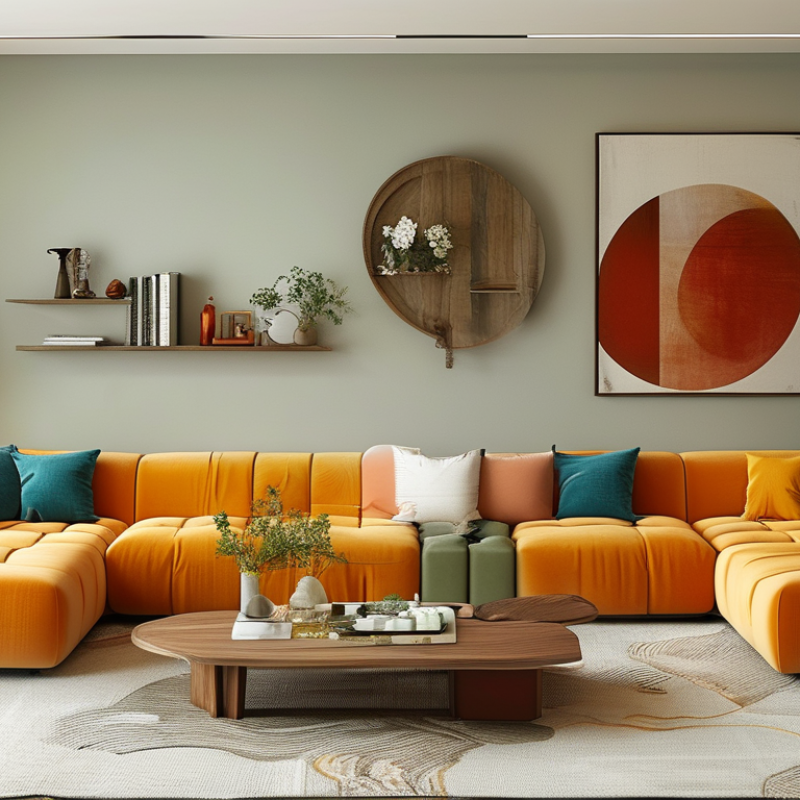
Top 10 Living Room Furniture Trends for 2026 You Must Know

Top Living Room Color Palettes in 2026: Analyzing Trends and Preferences

As we approach 2026, living room color palettes are experiencing a shift towards more organic and earthy tones. Data from the Color Marketing Group shows a growing preference for shades like terracotta, muted greens, and warm neutrals. These colors reflect a desire for comfort and connection to nature, which are becoming essential in our living spaces.

Incorporating these colors can greatly impact the mood of your living room. For instance, a soft olive green can create a calming atmosphere, while a warm beige can enhance natural light. Designers recommend painting one accent wall or using colored furnishings to avoid overwhelming the space. While trends evolve, the appeal of personalization remains timeless.

Tips: Choose colors that resonate with your personality. Consider testing samples before fully committing. A color's digital representation may differ from its real-world appearance. Remember to factor in light conditions and furnishings when selecting your palette. Balancing trendy hues with classic shades ensures longevity in your design choices. Reflecting on your color preferences is crucial in creating a harmonious environment.

The Rise of Sustainable Furniture: Eco-Friendly Materials for Modern Living Rooms

The trend towards sustainable furniture is gaining traction in modern living rooms. Eco-friendly materials are becoming essential, with industry reports highlighting a significant shift. Research shows that 78% of consumers prefer furniture made from sustainable sources. This reflects a growing awareness of environmental issues.

Materials like reclaimed wood and bamboo are not only stylish but also reduce carbon footprints. With innovations in manufacturing, companies are now using recycled plastics and non-toxic finishes. However, not all sustainable practices are transparent. Some brands may claim eco-friendliness without proper certification, leading to consumer distrust.

Affordability remains a concern for many. Sustainable options can be pricier due to higher production costs. According to a recent study, 65% of shoppers express willingness to pay more for green options, but only if they trust the materials’ claims. It's important for consumers to understand what sustainability truly means. This ensures they make informed choices for their homes.

Smart Furniture Innovations for 2026: Integrating Technology into Design

As we approach 2026, living room design is evolving with a focus on technology. Smart furniture will soon become mainstream, integrating functionality with comfort. Picture a sofa that adjusts its firmness based on your posture. This innovation not only enhances comfort but also promotes better health.

Imagine tables with built-in wireless charging surfaces. You can simply place your devices down for a quick charge. This feature can declutter spaces by reducing the need for cords. Lighting will become equally smart. Adaptive lighting can adjust brightness and color based on the time of day or your activities.

Yet, this technology brings challenges. Not everyone finds it easy to adapt. With smart features, there’s a learning curve that can frustrate some users. Additionally, reliance on technology may lead to feeling disconnected from the physical environment. Attention to these potential drawbacks is essential.

Multifunctional Spaces: Adapting Living Room Furniture for Versatile Uses

The living room is evolving into a multifunctional space that meets diverse needs. Research indicates that 67% of homeowners desire furniture that adapts easily for different uses. This shift is crucial as the modern lifestyle increasingly demands versatility. Homeowners now prefer sofas that convert into beds or coffee tables that expand for dining. This flexibility enhances usability without sacrificing style.

Moreover, reports show that 75% of urban dwellers live in compact spaces. This has led to the rise of modular furniture. Pieces that can be rearranged or stacked help maximize limited square footage. For example, ottomans with hidden storage can replace bulky cabinets. These designs not only save space but also add a touch of elegance. However, it’s vital to choose pieces that reflect personal taste while ensuring practicality.

Yet, there's a challenge with multifunctional furniture. Some designs compromise on comfort for versatility. Consumers often feel frustrated when functionality overshadows aesthetics. The balance between form and function remains a critical focus. Envision a stylish sofa that doubles as a workspace—this is the future of living rooms. Embracing these trends requires careful consideration of individual needs and home dynamics.

Top 10 Living Room Furniture Trends for 2026

Trend Description Key Features Ideal For
Modular Sofas Sofas made of interchangeable sections to suit different layouts. Reconfigurable, customizable seating. Small apartments and diverse spaces.
Convertible Furniture Furniture that changes function, like a sofa bed. Space-saving, multifunctional. Guest rooms and multifunctional homes.
Smart Furniture Integrated technology in furniture for convenience. Charging ports, Bluetooth speakers. Tech-savvy homes.
Sustainable Materials Furniture made from eco-friendly and recycled materials. Biodegradable, non-toxic finishes. Environmentally conscious consumers.
Bold Colors Furniture in vibrant, statement colors. Eye-catching designs, contrasting tones. Modern and eclectic interiors.
Open Shelving Units Shelves that double as display and storage options. Versatile storage, decorative options. Stylish living rooms and family spaces.
Curved Furniture Furniture with soft, rounded edges for comfort. Ergonomic design, flowy aesthetics. Relaxed and informal environments.
Nested Tables Grouped tables that can be separated when needed. Flexible configurations, space-efficient. Dynamic entertaining spaces.
Textured Fabrics Richly textured materials for added depth. Soft, tactile surfaces. Cozy and inviting atmospheres.

Luxury vs. Minimalism: Balancing Aesthetics and Functionality in 2026

In 2026, the debate between luxury and minimalism in living room design continues to evolve. Homeowners seek to combine sophisticated aesthetics with practical functionality. This balancing act is crucial for creating a welcoming space that reflects personal style while meeting everyday needs. Dense fabrics in muted tones can evoke luxury, while sleek lines and open spaces embrace minimalism.

Minimalism calls for restraint. It prizes open areas and simplicity. However, it can lead to sterile environments if not handled with care. Thoughtful touches, like textured cushions or a unique coffee table, can infuse personality without cluttering. Luxury, on the other hand, emphasizes comfort and ornate details. But, an overabundance of decor may overwhelm the senses. Striking a balance between these elements can create a harmonious living room.

Consider the importance of lighting in achieving this balance. Ambient lighting can soften minimalistic spaces, while statement pieces can become the focal point in luxury designs. Both styles can coexist with careful consideration, leading to thoughtful and functional living areas. It is essential to reflect on personal needs and lifestyle when making these design choices.

Top 10 Living Room Furniture Trends for 2026

FAQS

: What is driving the trend towards sustainable furniture?

: Increased consumer awareness of environmental issues is fueling the shift toward eco-friendly furniture in modern living rooms.

What materials are commonly used in sustainable furniture?

Reclaimed wood and bamboo are popular choices due to their stylish appearance and carbon footprint reduction.

Are all sustainable furniture brands trustworthy?

No, some brands may claim eco-friendliness without proper certification, which can lead to consumer mistrust.

Why is affordability an issue for sustainable furniture?

Higher production costs often make sustainable options pricier, although some consumers are willing to pay more.

How are living rooms changing in terms of furniture use?

Homeowners now prefer multifunctional furniture that adapts for various uses, enhancing usability in compact spaces.

What challenges do multifunctional furniture designs present?

Some designs may sacrifice comfort for versatility, which can frustrate consumers seeking both aesthetics and functionality.

How do luxury and minimalism impact living room design?

Homeowners aim to balance luxury and minimalism, combining practical functionality with sophisticated aesthetics in their spaces.

What role does lighting play in living room design?

Lighting can enhance both minimalistic and luxurious designs, setting the mood and highlighting design elements effectively.

What should consumers consider when choosing furniture?

Reflecting on personal needs and lifestyle is crucial to ensure the chosen furniture fits well within their living space.

Can minimalist designs feel too sterile?

Yes, without thoughtful touches, minimalism can create a sterile environment. Balance is key for a welcoming space.

Conclusion

As we look ahead to 2026, it's essential to explore what are the top trends in living room furniture. This year, color palettes will shift towards soothing tones that create a tranquil atmosphere, reflecting a growing preference for comfort and style. Additionally, the rise of sustainable furniture showcases an increased use of eco-friendly materials, catering to environmentally conscious consumers seeking modern yet responsible choices.

In terms of functionality, smart furniture innovations are set to transform living spaces by seamlessly integrating technology into design, enhancing convenience and connectivity. Moreover, the trend of multifunctional spaces will inspire designs that accommodate versatile uses, perfect for urban living. Finally, the debate between luxury and minimalism will continue as homeowners seek to balance aesthetics with functionality, ensuring their living rooms are both stunning and practical.

Sophia

Sophia

Sophia is a dedicated marketing professional with an exceptional depth of knowledge about her company's products and services. With a keen understanding of market trends and customer needs, she crafts insightful blog posts that not only inform but also engage readers, enriching the company’s online......