What is the Difference Between a Lumbar Roll and Back Cushion?

Time:2026-05-07 Author:Henry
0%

When it comes to choosing the right support for your back, understanding your options is crucial. Many people find themselves asking, "What is the difference between a lumbar roll and a back cushion?" Both are designed to enhance comfort, but they serve different purposes.

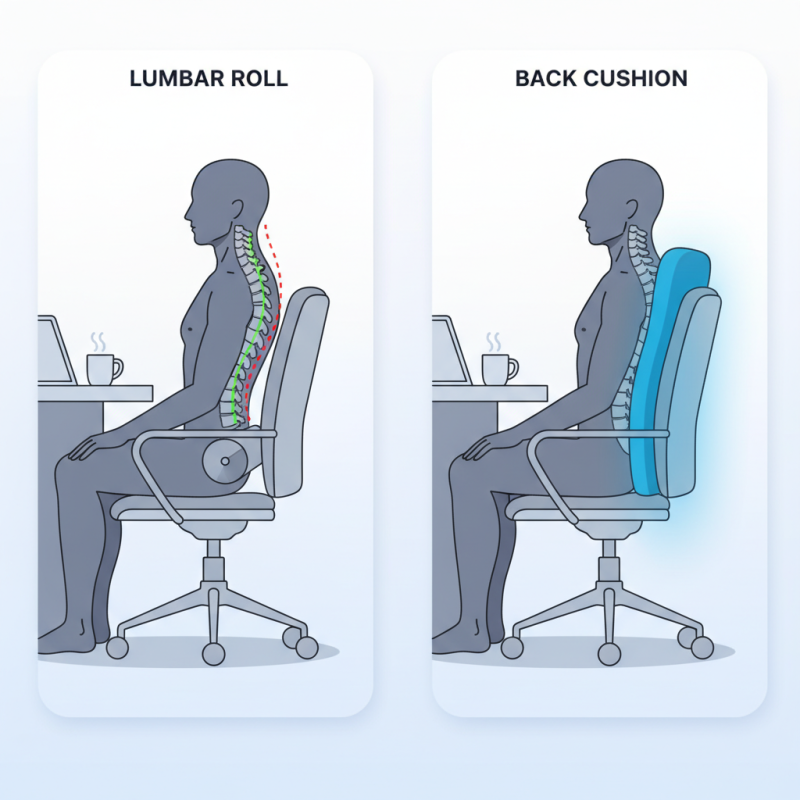
A lumbar roll is a cylindrical pillow that supports the natural curve of the lower back. It helps maintain proper posture while sitting. In contrast, a back cushion often provides overall padding. It can make a chair more comfortable but may not effectively address specific spinal alignment issues.

Selecting the right product requires consideration of your needs. Are you looking for support during long hours at a desk? A lumbar roll may be ideal. However, if you need extra softness for occasional seating, a back cushion might suffice. Understanding these distinctions will empower you to make a better choice for your spine health.
What is the Difference Between a Lumbar Roll and Back Cushion?

Understanding Lumbar Rolls: Definition and Purpose

Lumbar rolls are specially designed support devices that help maintain the natural curvature of the spine. They are typically small, cylindrical cushions that can fit in the small of the back. Their main purpose is to prevent slouching and promote proper posture, especially during long periods of sitting. Proper lumbar support can reduce back pain and improve comfort for those who sit for extended hours.

Using a lumbar roll can make a significant difference in how one feels after a long day. Placing it in a chair encourages the spine to align correctly. This simple adjustment can reduce strain on muscles. However, some individuals may find it uncomfortable at first. The challenge lies in adjusting to the feel of added support. Experimenting with the position may be necessary for optimal comfort.

In contrast, back cushions offer broader support, covering a larger area of the back. They often provide a plush feel that enhances comfort but may lack the specific curvature support of lumbar rolls. Users might choose either based on personal preference. Understanding these differences is essential for improving seating arrangements, especially when battling discomfort associated with sedentary lifestyles.

Back Cushions Explained: What They Are and How They Work

Back cushions are essential for those who spend long hours sitting. They provide support to the lower back, promoting proper spinal alignment. According to a 2021 study from the American Physical Therapy Association, nearly 80% of adults experience back pain at some point in their lives. Back cushions can help mitigate this issue by filling the gap between the lumbar region and the chair. This helps maintain the natural curve of the spine while sitting.

These cushions often feature materials such as memory foam, which contours to the body, offering individualized support. Furthermore, research from the Occupational Safety and Health Administration suggests that effective lumbar support can reduce the risk of chronic back issues. While many cushions are available on the market, not all deliver the same benefits. One must consider factors like firmness and size when selecting a cushion, and adjusting these variables can yield significantly different comfort levels.

Most back cushions focus on comfort, sometimes neglecting ergonomic design. Users might find that a cushion feels great at first, but doesn't provide adequate support over time. It’s essential to regularly assess how your cushion affects your posture and comfort. Back cushions should empower users to maintain a healthy sitting posture, but they won’t be effective if they don't fit your specific body type and sitting habits. Experimentation and self-reflection are key to finding the right balance.

Key Differences Between Lumbar Rolls and Back Cushions

When discussing lumbar rolls and back cushions, it’s important to understand their distinct purposes. A lumbar roll is designed to provide targeted support to the lower back. Its cylindrical shape encourages proper spinal alignment, reducing strain during prolonged sitting. This can benefit individuals who spend long hours at a desk, as it helps maintain the natural curve of the spine.

On the other hand, back cushions offer broader support. They are usually larger and fill more space between the back and the chair. These cushions can vary in thickness and firmness, catering to different comfort preferences. A back cushion may alleviate discomfort across a wider area, functioning more as a general comfort enhancer than a precise alignment tool. However, some users may find that a back cushion does not promote as much engagement in their core muscles.

While both items aim to improve seating comfort, they have unique attributes. Lumbar rolls are more specialized for spinal alignment, while back cushions focus on overall comfort. Each option comes with its advantages and potential drawbacks. Users should reflect on their personal needs and habits to choose the best fit for their lifestyle.

What is the Difference Between a Lumbar Roll and Back Cushion?

Feature Lumbar Roll Back Cushion
Purpose Supports lower back alignment Provides overall back support
Shape Cylindrical Rectangular or contoured
Use Cases Car seats, office chairs Sofas, wheelchairs, office chairs
Material Foam, gel, or memory foam Varied materials, often softer
Portability Highly portable Less portable due to size

Choosing the Right Support: When to Use Each

When choosing between a lumbar roll and a back cushion, it’s essential to consider your specific needs. A lumbar roll provides targeted support to the lower back. It helps maintain the natural curve of the spine. This design can encourage better posture during prolonged sitting. If you sit for long hours, a lumbar roll might be beneficial. It fits snugly against the chair, creating comfort.

In contrast, back cushions often cover a larger area, offering broader support. They can help alleviate pressure across the entire back. These cushions come in various shapes and sizes. Hence, it gives you more options to customize your comfort level. However, they might not provide the same targeted support as a lumbar roll. If you're dealing with widespread back discomfort, a back cushion could be a better choice.

While both options are effective, they are not one-size-fits-all. You may find that what works today doesn’t work tomorrow. Experimenting with both can lead to better understanding your preferences. Be aware of your body’s signals. Sometimes, it’s about trial and error to find the perfect fit for your back’s needs.

What is the Difference Between a Lumbar Roll and Back Cushion?

Benefits of Using Lumbar Rolls and Back Cushions for Back Health

When it comes to back health, lumbar rolls and back cushions serve different purposes. Lumbar rolls are specifically designed to support the natural curve of the lower back. They can be particularly beneficial for people who sit for long periods. The support helps reduce tension and prevents slouching. Using a lumbar roll can improve posture and alleviate discomfort, which is crucial for maintaining spinal health.

Back cushions, on the other hand, offer broader support. They provide comfort across the entire back rather than focusing solely on the lumbar region. This makes them ideal for those who experience back pain in multiple areas. Back cushions can help distribute body weight more evenly, reducing pressure points. Despite their benefits, it's important to choose the right cushion that fits the chair and your body.

However, not every lumbar roll or back cushion will work for everyone. Individual needs vary based on body shapes and personal preferences. Some may find lumbar rolls uncomfortable at first. Others might feel overwhelmed by the size of certain cushions. Experimenting with different designs is key to finding the best fit for your back health journey.

FAQS

: What are back cushions and why are they important?

: Back cushions support the lower back, promoting spine alignment. They help reduce discomfort during long sitting hours.

How do back cushions help with back pain?

They fill the gap between the lumbar region and chair. This maintains the spine's natural curve, reducing pain.

What materials are commonly used in back cushions?

Many cushions use memory foam. This material contours to the body, providing personalized support for comfort.

What is the difference between lumbar rolls and back cushions?

Lumbar rolls target the lower back; they promote spinal alignment. Back cushions offer broader support across the entire back.

How can I choose the right back cushion?

Consider factors like firmness and size. Different setups can yield various comfort levels. Personal needs matter.

Can a cushion lose effectiveness over time?

Yes, some cushions may feel comfortable initially but may lack support over time. Regularly assess your cushion's impact.

Do lumbar rolls help everyone?

Not necessarily. Some users may find lumbar rolls uncomfortable. Individual preferences vary widely; experimentation is essential.

Can using a back cushion affect my posture?

Yes, effective cushions promote healthy posture. However, the wrong fit can hinder overall effectiveness and comfort.

What should I reflect on when using a cushion?

Assess how it affects your posture and comfort level. Tailor it to fit your specific sitting habits and body shape.

Are all cushions made equally for back health?

No, not all cushions deliver the same benefits. Choosing one that fits your needs is crucial for health and comfort.

Conclusion

In the exploration of back support, a common question arises: "What is the difference between a lumbar roll and a back cushion?" Lumbar rolls are specifically designed to maintain the natural curvature of the spine, providing targeted support to the lower back while sitting or sleeping. They are typically cylindrical in shape, encouraging proper posture and alleviating pressure points. On the other hand, back cushions offer broader support and are often padded to provide comfort for a wider area of the back, making them versatile for various seating situations.

Understanding the key differences is crucial for choosing the right support. Lumbar rolls are ideal for individuals seeking alignment and posture correction, whereas back cushions can be better suited for those looking for additional comfort during long periods of sitting. Both options contribute significantly to back health, and selecting the appropriate one can greatly enhance overall comfort and well-being.

Henry

Henry

Henry is a dedicated marketing professional with a profound expertise in the company's offerings. With years of experience in the industry, he possesses an impressive understanding of the market dynamics and consumer behaviors that drive success. Henry is committed to sharing his insights through......