How to Choose a Sofa Color That Hides Pet Hair in 2026

Time:2026-09-22 Author:Sienna
0%

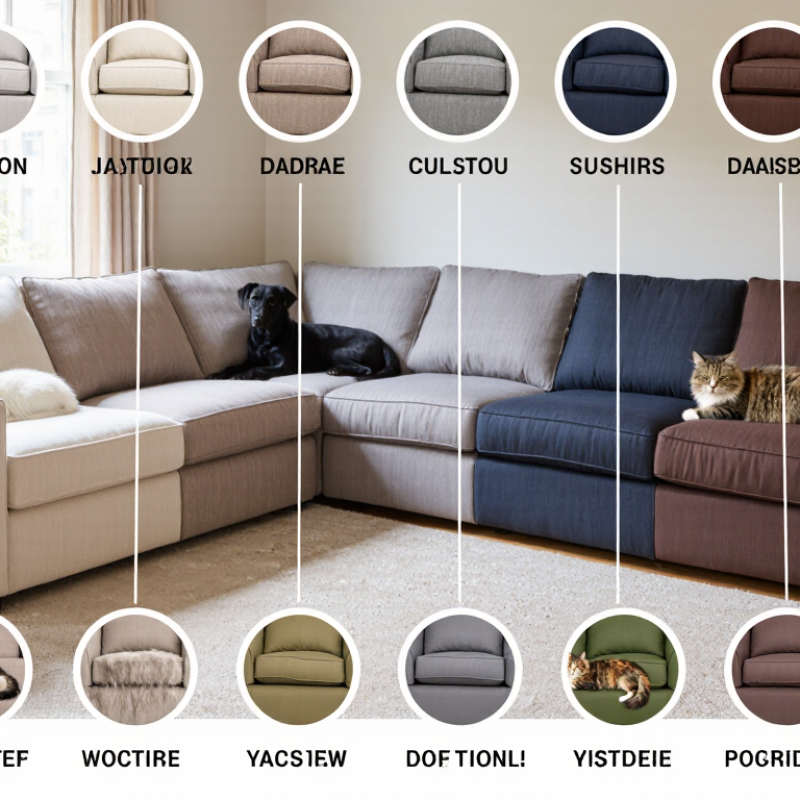
How to choose a sofa color that doesn't show pet hair begins with observing your pet’s coat, not following a showroom trend. White fur often disappears against cream, oatmeal, and light gray upholstery. Black fur blends more naturally with charcoal, navy, and deep brown. Mixed coats create a harder problem. Mid-tone colors, such as taupe, greige, and muted olive, can soften the contrast between shedding and fabric.

Interior designer and pet-friendly home expert Amanda Reynal says, “A livable home should support real life, including the beautiful mess of pets.” Her point matters here. A sofa should look attractive, but it must also survive muddy paws, daily lounging, and sudden shedding seasons. Color alone cannot hide everything. Fabric texture, lighting, and weave also influence visibility.

The keyword is How to choose a sofa color that doesn't show pet hair, but the answer is not simply “choose a darker sofa.” Dark velvet may reveal pale hair immediately. Smooth microfiber can make loose strands easy to spot under bright windows. A patterned fabric may perform better, although bold patterns can overwhelm a small room.

Consider your actual sofa location. Test fabric samples beside your pet’s favorite blanket. View them in daylight and warm evening light. I once underestimated this difference. The sample looked perfect at noon, then showed every pale strand after sunset. That small mistake is worth remembering. The most reliable choice balances coat color, room lighting, upholstery texture, and your willingness to vacuum regularly. Nothing stays completely hair-free. That is the honest part.
How to Choose a Sofa Color That Hides Pet Hair in 2026

Assess Your Pet’s Hair Color and Shedding Pattern

Before choosing a sofa color, study your pet’s coat in natural daylight. Black fur disappears best against charcoal, navy, or deep brown upholstery. White and cream hair blends more easily with beige, light gray, or oatmeal fabric. Mixed coats need more careful observation.

Look at where shedding appears most. A long-haired dog may leave visible tufts along the seat edge and floor. Short, pale hairs can cling tightly to dark woven fabric. Cats often shed heavily during seasonal changes, especially near their favorite sleeping corner. My own experience suggests that medium, textured colors hide mixed hair better than solid shades. Still, this is not foolproof. Bright sunlight may reveal everything.

Tips: Collect a small handful of shed hair and place it against fabric samples. Check the samples near a window, under warm lamps, and from several feet away. Choose a color close to the most common hair tone, but consider the lighter strands too. A subtle heathered pattern can disguise uneven shedding better than a flat color. Avoid very smooth, dark upholstery if your pet has pale, fine hair. Test cleaning with a slightly damp cloth before buying. That small test can expose loose fibers, staining, or difficult maintenance.

How to Choose a Sofa Color That Hides Pet Hair in 2026

Assess Your Pet’s Hair Color and Shedding Pattern

Pet Hair Color Typical Visibility on Sofas Common Shedding Pattern Sofa Colors That Usually Camouflage Hair Practical Recommendation
Black or very dark brown Highly visible on white, cream, light gray, and pastel upholstery. May shed year-round, with heavier shedding during seasonal coat changes. Charcoal, espresso, deep taupe, dark gray, or a mixed dark pattern. Choose a medium-to-dark fabric rather than a solid jet-black fabric, which can still show dust and lighter undercoat.
White or cream Highly visible on black, navy, dark brown, and other deep colors. Short or long white hairs may appear throughout the year; the amount depends on breed and coat type. Ivory, oatmeal, beige, sand, light greige, or cream-based patterns. A textured, lightly mottled fabric can hide white hairs better than a flat, dark solid color.
Red, orange, or golden Often noticeable on pure white, black, blue-gray, and very dark brown fabrics. Many double-coated animals shed more during spring and autumn coat changes. Warm beige, camel, tan, rust, terracotta, or warm medium brown. Select a warm neutral with subtle variation; cool gray can create strong contrast with orange-toned hair.
Gray or silver Usually most visible on solid black, white, or strongly contrasting colors. May shed lightly or heavily depending on coat density; seasonal shedding is common in many double coats. Medium gray, greige, slate with lighter flecks, or a gray-and-beige blend. A heathered or salt-and-pepper upholstery often reduces the appearance of both light and dark strands.
Tabby, brindle, or striped mix Visibility varies because the coat contains multiple shades, often including light and dark hairs. Shedding can be continuous, with seasonal increases in many indoor pets. Mid-tone taupe, olive gray, muted brown, heathered gray, or multicolor upholstery. Avoid stark solid colors; a blended pattern close to the coat’s middle value is usually more forgiving.
Multicolor or tortoiseshell Individual hairs may disappear, but dense accumulation can still be noticeable on any color. Mixed coats commonly produce varied shedding amounts and hair lengths. Mottled taupe, gray-brown, medium brown, or upholstery with several related tones. Prioritize a patterned or flecked surface instead of trying to match only one shade in the coat.
2026 selection tip: Hair color is only one factor. Fabric texture, lighting, hair length, and the amount of shedding can change how visible pet hair becomes. Before purchasing, test a swatch in natural and indoor light, then place a few strands of your pet’s hair on it to compare contrast.

Match Sofa Colors to Common Pet Hair Shades

How to Choose a Sofa Color That Hides Pet Hair in 2026

Match the sofa with your pet’s most visible hair shade. Black dogs and cats usually shed less visibly on charcoal, graphite, or deep navy upholstery. White hair blends better with ivory, oatmeal, and pale gray. Golden or tan fur disappears more effectively against camel, taupe, and warm beige fabrics. Red or copper coats pair naturally with rust, terracotta, and muted brown.

Mixed coats need a different approach. Choose heathered fabric, small flecks, or a low-contrast pattern. These surfaces break up scattered strands better than flat colors. APPA’s 2023–2024 National Pet Owners Survey reports pets live in 86.9 million U.S. households, so this is a practical design issue, not a niche concern. Many homes now need furniture that tolerates daily shedding.

Test samples in daylight. Indoor bulbs can make beige look yellow and charcoal look nearly black. I once chose a smooth dark sofa for a white-and-gray cat; every strand stood out by evening. A woven, medium-gray fabric would have been wiser. ASTM D3512 testing can help assess fabric pilling, but it does not predict hair visibility. Texture matters. Hair catches on rough loops, while tightly woven upholstery releases it more easily. Dust also changes the result. A color that hides hair may still show paw marks.

Choose Fabrics and Textures That Conceal Loose Hair

Loose pet hair is easiest to notice on smooth, high-contrast upholstery. For a sofa that hides it, start with fabric close to your pet’s dominant coat color. Warm gray, oatmeal, taupe, and muted brown work well for many mixed-color coats. Pure white and deep black are less forgiving. If your dog sheds cream and charcoal hair, a medium heathered gray can blur both.

Texture matters as much as color. Look for tweed, chenille, basketweave, or a subtle slub. These surfaces break up the outline of individual hairs. Short, tightly woven fibers are generally easier to vacuum than loose bouclé loops. Yet very rough textures may trap hair and dust beneath the surface. That trade-off is easy to miss in a showroom. Rub a fabric sample with a dry microfiber cloth. Then inspect the threads under bright window light. If hair disappears visually but stays embedded, cleaning may become frustrating.

Consider the hair’s shape, too. Straight white hairs often show on dark solids, while curly coats can collect in raised weaves. Ask for large swatches, not tiny samples. Test them where your pet actually sleeps. After a week, check the seams, armrests, and front edge. These areas reveal real shedding better than a showroom test. I would not promise a completely hair-free appearance. Even the best fabric needs regular vacuuming and occasional brushing. Convenience improves, but maintenance never disappears.

Compare Solid, Patterned, and Multitone Sofa Designs

In 2026, sofa color choices should reflect both pet habits and room lighting.

The American Pet Products Association’s 2023–2024 National Pet Owners Survey reports that 66% of U.S. households own a pet. That makes visible shedding a common furniture concern, not a niche problem.

Solid sofas offer a clean, modern look, but they reveal contrast sharply. Black fabric shows pale hair, while ivory exposes dark strands. Mid-tone gray, taupe, and muted brown usually disguise mixed shedding better.

Patterned upholstery adds visual interruption. Small checks, soft herringbone, and irregular flecks can break up individual hairs. Large, high-contrast prints may attract attention instead.

Multitone designs often perform best because they combine two or more related shades. This creates camouflage without looking overly busy. The 2024 International Textile Manufacturers Federation materials outlook also highlights durability and easy maintenance as key upholstery priorities. However, color cannot replace regular cleaning.

Tips: Match the sofa to your pet’s coat, not only your walls. Test fabric beside a window. Sit on the sample. Rub a small amount of shed hair across it. Patterns can hide hair, but they may hide stains too. That is not always good. Choose tightly woven, removable upholstery when possible. I once preferred a pale solid sofa for its airy appearance, then noticed every dark hair within hours. My judgment was attractive, but impractical.

Test Cleaning Needs, Lighting, and Long-Term Color Performance

Pet hair changes how sofa color performs in real homes. The 2023–2024 APPA National Pet Owners Survey estimates that 66% of U.S. households own a pet. That statistic makes daily maintenance more than a minor concern. Before choosing a color, test a fabric swatch with your actual lint roller, vacuum nozzle, and a damp white cloth. Dark hair often disappears on charcoal, navy, or espresso upholstery. Pale hair blends better with oatmeal, beige, or soft gray. Mixed tones are usually more forgiving.

Cleaning needs deserve a practical test. Rub the swatch with a clean microfiber cloth, then apply a small amount of your intended upholstery cleaner. Observe water rings, texture changes, and color transfer after drying. AATCC TM16.3 provides a recognized method for evaluating textile colorfastness to light, while ASTM G154 helps simulate accelerated ultraviolet exposure. These tests matter because a showroom sample may look different beside a bright window after months of sunlight.

Lighting can mislead you. View samples in morning, afternoon, and warm evening light. I once preferred a cool gray indoors, but it looked faintly blue near a south-facing window. That mistake was avoidable. Choose a color one shade lighter than expected if the room receives strong daylight. Inspect the fabric again after several cleaning cycles. Long-term performance matters more than a perfect first impression.

How to Choose a Sofa Color That Hides Pet Hair in 2026

The chart uses a relative visibility index from 1 to 5, calculated from color contrast against representative light and dark pet-hair tones. Lower scores indicate that hair is less noticeable and usually requires less frequent spot cleaning. Beige and taupe offer balanced performance, while charcoal hides dark hair but makes light hair more visible. Lighting, fabric texture, shedding levels, and regular vacuuming can change the result.

FAQS

Which sofa colors hide black pet hair best?

Charcoal, graphite, and deep navy usually reduce the contrast. Pure white upholstery shows every strand. Not perfect.

What sofa colors work well with white or cream pet hair?

Ivory, oatmeal, pale gray, and soft beige blend with light coats. Choose a textured fabric for better results.

Which colors suit golden, tan, or copper-colored fur?

Camel, taupe, warm beige, rust, and muted brown often disguise these shades. Test the fabric beside your pet’s sleeping area.

What should I choose for a pet with mixed-color fur?

Try heathered fabric, small flecks, soft herringbone, or subtle multitone designs. These patterns break up scattered hairs visually.

Does fabric texture matter as much as sofa color?

Yes. Tweed, chenille, basketweave, and subtle slub textures interrupt individual hair outlines. Rough loops may trap hair and dust.

Which upholstery is easiest to clean after shedding?

Short, tightly woven fibers usually release loose hair more easily. Very loose bouclé can look attractive but may become frustrating.

How should I test a sofa fabric before buying it?

View a large sample in daylight. Rub shed hair across it, then wipe with a dry microfiber cloth. Tiny samples mislead.

Can a patterned sofa hide both hair and stains?

Patterns can disguise loose hair, but they may also conceal paw marks and spills. Check the fabric carefully under bright window light.

Should I match the sofa to my room or my pet?

Match the sofa to the most visible coat shade first. Room lighting still matters. Beige may look yellow indoors.

Will the right sofa color eliminate regular cleaning?

No. A well-matched fabric only reduces visible contrast. Vacuum seams, armrests, and the front edge regularly. I once chose appearance over practicality, and regretted it.

Conclusion

Choosing the right sofa color can make pet hair much less noticeable and reduce daily cleaning stress. The first step in learning How to choose a sofa color that doesn't show pet hair is to observe your pet’s coat color, shedding level, and whether the hair is fine, long, light, or dark. Sofa shades close to your pet’s natural coloring, such as beige, gray, taupe, brown, or charcoal, often help loose hair blend into the upholstery. However, contrast can sometimes highlight every strand, so avoid choosing a color that sharply opposes your pet’s coat.

Fabric and texture also matter. Woven materials, subtle textures, and durable upholstery can disguise loose hair better than sleek, smooth surfaces. Patterned or multitone designs may conceal shedding more effectively than solid colors, especially when they combine several tones found in your home. Before deciding, test fabric samples under natural and artificial lighting, consider how easily the surface can be vacuumed or wiped, and think about fading, stains, and long-term color performance.

Sienna

Sienna

Sienna is a skilled marketing professional with a deep expertise in our company’s core products and services. With a passion for innovation and detail, she plays a pivotal role in crafting insightful blog posts that not only highlight the unique features of our offerings but also provide valuable......