How to Choose the Perfect Sofa for Your Small Living Room?

Time:2026-07-14 Author:Sienna
0%

When it comes to creating a cozy atmosphere in a small living room, choosing the right sofa is essential. Renowned interior designer Jessica Simms emphasizes, “A well-chosen sofa can transform a compact space into an inviting retreat.” Selecting a sofa involves careful consideration, especially in limited square footage. You want a piece that balances comfort and style without overwhelming the room.

Many homeowners struggle with this decision. They face the dilemma of functionality versus aesthetics. For instance, a bulky sofa might dominate the room, while a sleek design could lack comfort. It's a tricky balance to strike. Not all sofas fit every space, and there are numerous factors to weigh. The fabric, color, and structure all contribute to the overall feel of your living area.

Ensuring that you choose the right sofa for a small living room requires time and thoughtful consideration. It's about understanding your personal style and needs. Reflect on how the sofa will be used. Will it accommodate guests, or be a cozy nook for a book? The perfect choice requires some self-reflection and vision for the space.
How to Choose the Perfect Sofa for Your Small Living Room?

Understanding the Dimensions of Your Small Living Room Space

When selecting a sofa for a small living room, understanding dimensions is key. The average size of a small living room ranges from 150 to 250 square feet. This requires precise measurements to ensure your sofa fits perfectly without overcrowding the space. The ideal sofa depth is between 30 to 36 inches, allowing for comfortable seating without overwhelming the area.

Tips: Measure your room's length and width before shopping. Use painter's tape to outline potential sofa sizes on the floor. This visual guide helps you understand how the sofa will fit into the room's layout.

Analyzing floor space is crucial. In a 200 square foot living room, a 72-inch sofa is commonly suitable. However, consider how you’ll use your space. Sofas with lower profiles can create a more open feel. High-backed sofas may make the room feel cramped. A dual-purpose sofa bed could also add functionality without sacrificing area.

Tips: Opt for lighter fabrics and colors to enhance the perception of space. Avoid bulky designs, as they may restrict movement. A well-chosen piece can transform small areas into cozy retreats, but too much furniture can be counterproductive. Reflect on your personal style and needs while prioritizing space optimization.

Identifying the Right Sofa Style to Fit Your Room Aesthetic

Choosing the right sofa style is crucial for a small living room. A well-fitted sofa can enhance your space. According to the American Home Furnishings Alliance, 70% of homeowners value aesthetics and comfort equally in their selections. Therefore, balancing style with function is key.

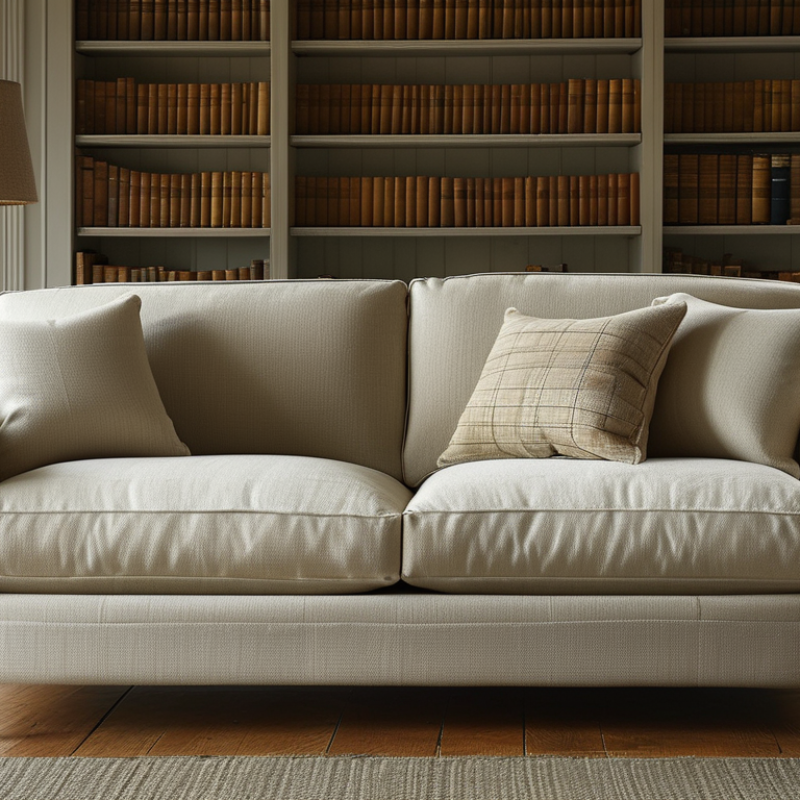
When selecting a sofa, consider the room's color palette and furniture style. Neutral tones often create a sense of openness. Sofas in lighter shades, like beige or soft gray, allow natural light to reflect softly. Textures matter too. Soft fabric can offer a cozy touch while sleek lines add refinement. A sectional can fit snugly into corners, maximizing seating without crowding.

However, many overlook scale. A large sofa can overwhelm a small living room. Stick with a sofa that complements the space without dominating it. Taking measurements beforehand is essential. The average sofa length is about 78 inches. Reassess your space after positioning your sofa. Sometimes, the perfect fit isn't so perfect after all. Reflecting on this can guide future purchases and installations, ensuring your living room feels inviting and cohesive.

How to Choose the Perfect Sofa for Your Small Living Room?

This chart illustrates the popularity of different sofa styles suitable for small living rooms, highlighting preferences based on various aesthetic themes.

Choosing the Ideal Upholstery and Materials for Comfort and Durability

Choosing the right upholstery for your small living room sofa can significantly enhance comfort and durability. Fabric options like microfiber and leather offer different benefits. Microfiber is soft and easy to clean, often resisting stains. Leather, however, exudes luxury and can age beautifully if cared for properly. Both fabrics are excellent choices, but they require different maintenance routines.

Think about how you'll use your sofa. If you have pets or young children, durable and stain-resistant materials are essential. Choosing darker colors can hide wear and tear better than lighter shades. Remember, every fabric has its pros and cons. It's crucial to weigh how often you entertain guests versus your own comfort.

Texture is also a significant factor. Woven fabrics can add depth, while smooth surfaces feel sleek. Mixing textures in your space may create a more inviting atmosphere. Don't rush this decision. Sitting on different sofas and feeling various materials can guide you toward the best choice. Your sofa should reflect your lifestyle and aesthetic—even the imperfections in the upholstery can tell your story.

Maximizing Functionality with Sofa Features and Accessories

When selecting a sofa for your small living room, consider functionality. Multi-functional sofas can significantly enhance space. Choose sofas with built-in storage to stow away blankets and magazines. A bed sofa offers a cozy sleeping option for guests. These features help maintain a tidy environment.

Accessories can optimize your sofa's usability. Extra cushions add comfort and style, while a sleek coffee table can double as storage. Use decorative trays to organize remote controls or coasters. A well-chosen rug can define your seating area, making the space feel larger. Lighting also plays a key role; consider floor lamps that don’t take up floor space.

Reflect on your needs. A simple design is often best in small areas. A sofa that does more is a flexible addition. However, avoid cluttering the space with too many accessories. Balance is crucial. Sometimes, less really is more.

Tips for Arranging Your Sofa to Optimize Space and Flow

When arranging a sofa in a small living room, maximizing space and flow is essential. According to a recent survey by the American Furniture Manufacturers Association, 30% of homeowners struggle with overcrowded living areas. The right arrangement can drastically change this perspective. Consider angling the sofa instead of placing it against a wall. This creates a more inviting space, improving traffic flow.


Using multi-functional furniture aids in optimizing space. A sofa that doubles as a sleeper or features storage can save precious square footage. In fact, studies indicate that homes with dual-purpose furniture can feel up to 20% larger. Adding a plush area rug can define the seating area, while open pathways create a more spacious feel.


It's also vital to maintain a balance between style and comfort. Oversized furniture can overwhelm. According to recent data, 45% of small-space dwellers prioritize comfort. However, they often compromise aesthetics. Balancing these aspects requires careful consideration. Strive for visual cohesion with complementary colors and textures. This can turn your living room into a comfortable yet stylish retreat.

FAQS

: What is the average size of a small living room?

: A small living room typically ranges from 150 to 250 square feet.

How do I ensure my sofa fits in my small living room?

Measure your room's length and width accurately before purchasing a sofa.

What is the ideal depth for a small sofa?

The ideal sofa depth is between 30 to 36 inches for comfortable seating.

How can I visualize how a sofa will fit in my space?

Use painter's tape to outline the sofa's dimensions on the floor.

What kind of sofa should I choose for a small living room?

Sofas with lower profiles create an open feel, while high-backed sofas may feel cramped.

What upholstery is best for durability and comfort?

Microfiber is soft and easy to clean, while leather offers luxury and aging beauty.

How should I consider my lifestyle when choosing a sofa?

Think about your needs, like pets or kids, and choose stain-resistant materials.

Can color make a difference in a small living room?

Yes, lighter colors can enhance space perception; darker shades hide wear well.

How important is texture in sofa selection?

Texture adds depth; mixing textures can create an inviting atmosphere.

Why is it crucial not to rush the sofa choice?

Taking time to test different sofas helps you find the best fit for your lifestyle.

Conclusion

When considering how to choose the right sofa for a small living room, it's essential to start by understanding the dimensions of your space. Measure your room carefully to ensure the sofa fits comfortably without overcrowding the area. Next, identify a sofa style that complements your room's aesthetic, whether modern, classic, or eclectic. The upholstery and materials are crucial for ensuring comfort and long-term durability, so select fabrics that suit your lifestyle and taste.

Maximizing functionality is also important; consider features such as storage or a sleeper option if needed. Finally, tips for arranging your sofa can help you optimize space and flow within your living room, such as angling it to create a more open feel or pairing it with accent chairs to enhance the seating arrangement. By carefully considering these factors, you can find the perfect sofa that fits both your style and the practical needs of your small living room.

Sienna

Sienna

Sienna is a skilled marketing professional with a deep expertise in our company’s core products and services. With a passion for innovation and detail, she plays a pivotal role in crafting insightful blog posts that not only highlight the unique features of our offerings but also provide valuable......