Choosing the right fabric for living room furniture can be overwhelming. With so many options available, homeowners often wonder, "What is the most durable fabric for living room furniture?" Durability is key, especially in high-traffic areas. You want a material that withstands the test of time.
Common choices include microfiber, leather, and polyester blends. Microfiber is known for its stain resistance and ease of cleaning. Leather offers a classic, sophisticated look, but it can be prone to scratching. Polyester blends typically provide a balance of comfort and durability. Each fabric has its strengths and weaknesses.
Think about your lifestyle. Do you have kids or pets? This will affect your choice. Investing in durable fabric can save money in the long run. Reflect on your home’s design and how the fabric will fit in. Making the right decision requires careful consideration. Let's explore these durable fabric options for your living room furniture.
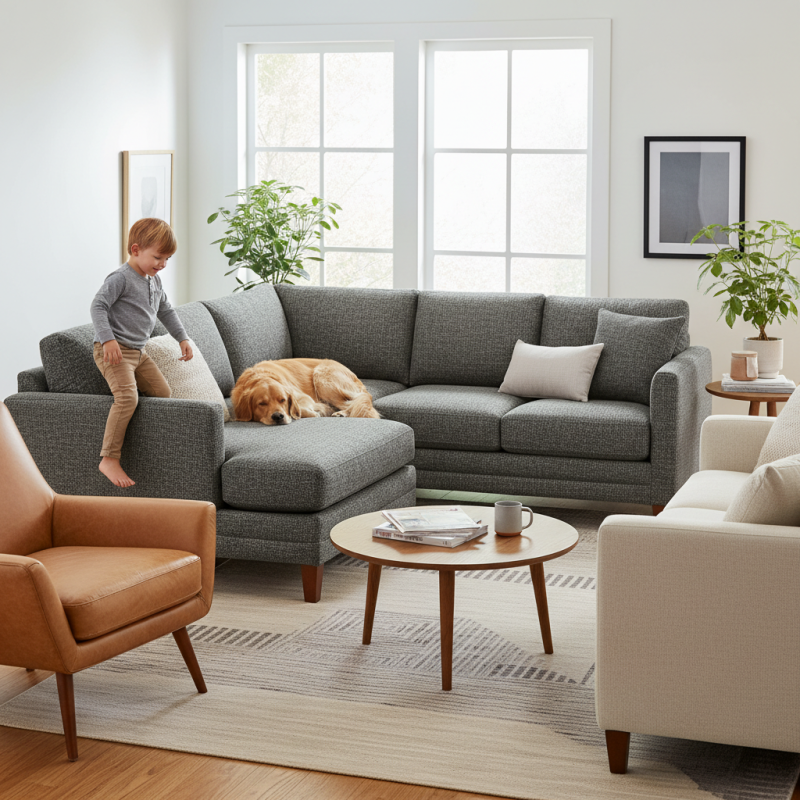
When choosing durable fabrics for living room furniture in China, several types stand out. Polyester is popular for its resistance to wear and fading. This synthetic fiber is easy to clean and comes in various colors and patterns, making it versatile for different decor styles. Additionally, microfiber has gained attention for its softness and stain resistance. It mimics the feel of suede yet is often more durable.
Another solid option is canvas. This heavy-duty cotton fabric is tough and holds up well against daily use. It has a casual look that suits many living spaces. Linen blends are also making waves. While pure linen wrinkles easily, linen blends combine beauty with sturdiness. They offer the breathability of natural fibers and are less prone to damage.
**Tips:** Consider how much sunlight your furniture will receive. Fabrics that fade under UV light may not be suitable for bright rooms. Always test fabric samples for comfort and durability before making a decision. Regular cleaning can extend the life of your fabric, so choose options that are easy to maintain.
| Fabric Type | Durability Rating | Stain Resistance | Maintenance | Common Uses |
|---|---|---|---|---|
| Microfiber | High | Excellent | Easy to clean, just wipe | Sofas, chairs |
| Leather | High | Good | Requires special cleaners | Sofas, recliners |
| Canvas | Medium | Fair | Washable, but can fade | Chairs, ottomans |
| Chenille | Medium | Good | Vacuum regularly | Sofas, cushions |
| Polyester | Medium to High | Very good | Machine washable | Couches, furniture |
When selecting durable fabrics for living room furniture, several key characteristics come into play. First, consider fabric strength. A study by the Furniture Industry Association found that fabrics with a minimum Martindale abrasion rating of 30,000 cycles are ideal for heavy use areas. These fabrics resist wear from activities such as sitting and frequent movement.
Natural fibers like cotton and linen are popular but can lack durability unless blended with synthetic materials.
Next, think about stain resistance. In a home environment, spills are common. Fabrics treated for stain resistance can withstand everyday accidents. An analysis from the Textile Research Journal indicates that common treatments can increase a fabric's lifespan by up to 50%. Choosing materials such as microfiber can provide both comfort and stain resistance, making it an excellent option for households with children or pets.
Tips: Always test fabric samples before purchasing. Rub them to check for pilling and colorfastness. Investing time in choosing the right fabric can save money in the long run. Remember, not all durable fabrics will meet your aesthetic goals, so find a balance that works for your style and needs. Consider longevity versus appearance; sometimes, a less beautiful option proves to be more dependable.
When selecting durable fabrics for living room furniture, several top brands in China stand out. These brands focus on quality, style, and durability. A recent industry report indicated that over 70% of consumers prioritize long-lasting materials for their furniture. This preference is driven by the increasing need for practicality in home decor.
Several key types of fabric are leading the market. Polyester blends and high-performance acrylics are noted for their resilience. According to a study by the China Textile Federation, these materials offer superior stain resistance and colorfastness. They can withstand daily wear and tear, making them ideal for family living spaces. Some brands even offer warranties, underscoring their confidence in fabric longevity.
While many fabrics excel in durability, sustainability is a growing concern. Some brands are criticized for not addressing environmental impacts adequately. Reports reveal that nearly 50% of consumers desire eco-friendly options. This gap highlights the necessity for brands to innovate further. Balancing durability with sustainability remains a challenge in the industry.
When choosing fabric for living room furniture, care and maintenance are crucial for longevity. A study by the Fabric Care Institute states that proper cleaning can extend the lifespan of upholstery by up to 30%. This means regularly vacuuming your furniture and spot-cleaning spills immediately can make a significant difference.
For synthetic fabrics, like polyester or nylon, a simple solution of mild soap and water usually does wonders. Always test in a small area first. For natural fibers, like cotton or linen, it’s vital to follow care labels to avoid shrinking or fading. This could mean more delicate cleaning processes. Remember, even durable materials need care. Consider using fabric protectors for an extra layer of defense against stains.
Additionally, rotating cushions and pillows regularly promotes even wear. By avoiding excessive sunlight exposure, fabric colors can remain vibrant. Keep in mind that wear and tear often goes unnoticed until it’s severe. Regularly assess your furniture for signs of damage or fading. It’s all about maintaining the beauty and functionality of your living space.
Choosing the right fabric for living room furniture demands careful consideration of durability and cost-effectiveness. Many consumers face confusion with numerous options available today. The longevity of a fabric often directly correlates with its material composition. Natural fibers like cotton and linen are beloved for their comfort but may not withstand heavy use. In contrast, synthetic fabrics such as polyester offer greater resilience.
Analyzing these fabrics is crucial for making an informed decision. While synthetic options tend to cost less and resist staining, they may lack the aesthetic appeal of natural materials. Cotton, though soft and inviting, can wear out quickly in high-traffic areas. When evaluating fabrics, it’s essential to conduct a realistic assessment of their performance in your space. Sometimes, pristine samples might mislead you about everyday wear and tear.
Reflecting on your lifestyle is vital in this selection process. Do you host gatherings often? Maybe a durable synthetic blend suits your needs best. If you prioritize sustainability, consider natural fibers, but be aware of their limitations. The perfect fabric choice balances aesthetics, durability, and your specific requirements, allowing you to invest wisely in your living environment.
: Popular options include polyester for its resistance, microfiber for softness, and canvas for heavy-duty use.
Polyester is wear-resistant, easy to clean, and versatile in color and patterns, making it ideal for decor styles.
Microfiber is soft, mimics suede, and offers stain resistance, making it a practical choice for families.
Fabrics with a Martindale abrasion rating of at least 30,000 cycles are ideal for heavy use and daily wear.
Treated fabrics can withstand spills, increasing lifespan by up to 50%, which is crucial in homes with children or pets.
Test fabric samples for pilling, colorfastness, and comfort. It's important to check for durability in real-life scenarios.
Natural fibers like cotton and linen can lack durability unless blended. These blends offer beauty but may be less sturdy.
A durable synthetic blend may be the best choice to handle frequent use and potential spills.
Sometimes, a fabric that lacks beauty may be more dependable. It's important to reflect on your lifestyle needs.
Regular cleaning and choosing easy-maintenance options can help preserve the integrity of your fabrics over time.
When considering "What is the most durable fabric for living room furniture," various options come to mind, each tailored to withstand the rigors of everyday use. Types of durable fabrics suitable for living room furniture include synthetic materials like microfiber and polyester, as well as natural fabrics like tightly woven canvas and leather. These fabrics are chosen for their ability to resist stains, wear, and fading, making them ideal for active households.
To ensure longevity and maintain the aesthetic appeal of living room furniture, proper care and maintenance are essential. Regular cleaning and protection from direct sunlight can help preserve fabric quality. Additionally, a comparative analysis of fabric durability and cost-effectiveness reveals that synthetic options often provide excellent value without compromising on strength or appearance. Each fabric type offers unique characteristics, making it crucial for homeowners to assess their specific needs before making a choice.

Hee Living